How to Plan the Perfect Kilimanjaro Adventure: Beauty, Timing, and the Journey of a Lifetime


Some places exist to remind you that the world is still vast. Mount Kilimanjaro, rising 5,895 metres above the plains of Tanzania, is one of them — a mountain so immense and self-contained that it seems to float between earth and sky.
To climb Kilimanjaro is to walk through five worlds in a single journey: rainforest, heather, moorland, alpine desert, and arctic summit. It’s an expedition not just of geography but of self — a reminder that wonder isn’t found in luxury, but in patience, courage, and the rhythm of steady footsteps.
If you’ve ever dreamed of standing on the roof of Africa, here’s how to make that dream both achievable and unforgettable.
Step 1: Understand the Challenge
Kilimanjaro is unique among the world’s great peaks. It requires no ropes or mountaineering skills, only fitness, determination, and respect for altitude. The challenge is less about technique and more about endurance and acclimatisation.
Most first-time climbers ask how long does it take to climb Kilimanjaro. The shortest routes take five or six days, but these are not recommended — they push the body too quickly into thin air, increasing the risk of altitude sickness.
The best itineraries take seven to nine days, allowing your body to adapt gradually. It’s the difference between struggling to survive the climb and having time to actually enjoy it — to pause for photos, breathe in the view, and take in the changing landscapes.
Step 2: Choose the Right Route
Like any great story, the path you choose defines the experience. The most popular trails — Machame and Umbwe — are scenic but busy, and include an unnecessary 401-metre climb that is immediately lost into Karanga Valley. For those who value efficiency, quiet, and a more natural acclimatisation pattern, there’s a better way.
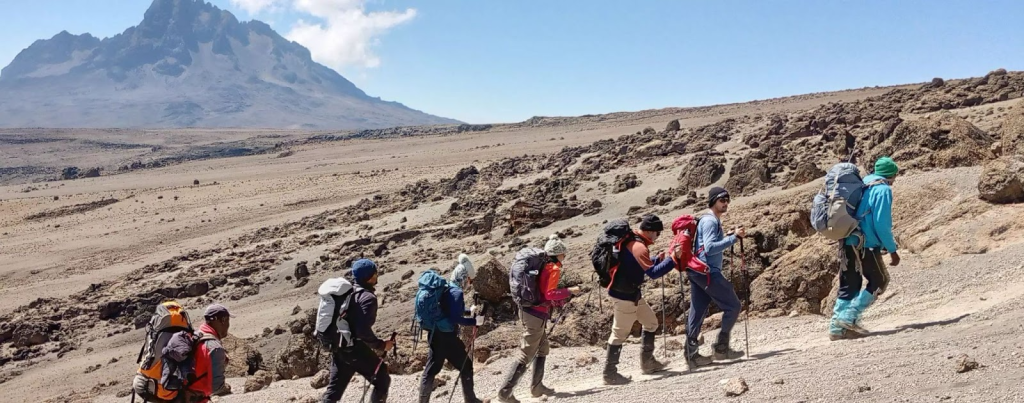
Team Kilimanjaro’s TK Lemosho Route is one of the mountain’s best-kept secrets. Beginning on the western side, it’s longer, calmer, and far less crowded. The terrain unfolds gradually, offering striking diversity — from jungle vines to glacier ridges — while keeping altitude gains smooth and manageable.
For climbers seeking something truly special, the Excel Extension adds a night inside the crater at 5,729 metres after summiting — an otherworldly experience under a sky bright with stars.
Step 3: Pick the Perfect Season
The best time to climb Kilimanjaro depends on what kind of adventure you want.
The dry seasons — January to March and June to October — offer stable weather, clear skies, and breathtaking views. These are the ideal windows for most travellers, with conditions that balance challenge and comfort.
However, the quieter rainy months (April to May and November) have their own charm. The mountain is greener, the air cooler, and the trails nearly empty. It’s harder — but infinitely more peaceful. Many photographers and reflective travellers prefer these seasons precisely for their solitude.
Step 4: Know Your Support Options
You can’t climb Kilimanjaro solo — the national park requires that all trekkers travel with licensed guides and porters. But the level of comfort and style you choose is entirely up to you.
Team Kilimanjaro offers seven “support series” designed for different personalities and budgets. About 70 percent of climbers choose the Advantage Series, which balances comfort and adventure: three-course meals, private toilets, and mess tents where you can share stories over hot soup.
Minimalists often opt for the Superlite Series, carrying their own gear and enjoying a stripped-back experience. At the other end of the spectrum, the Hemingway Series provides the kind of refinement usually reserved for high-end safari camps — perfect for VIPs or those celebrating milestone achievements.
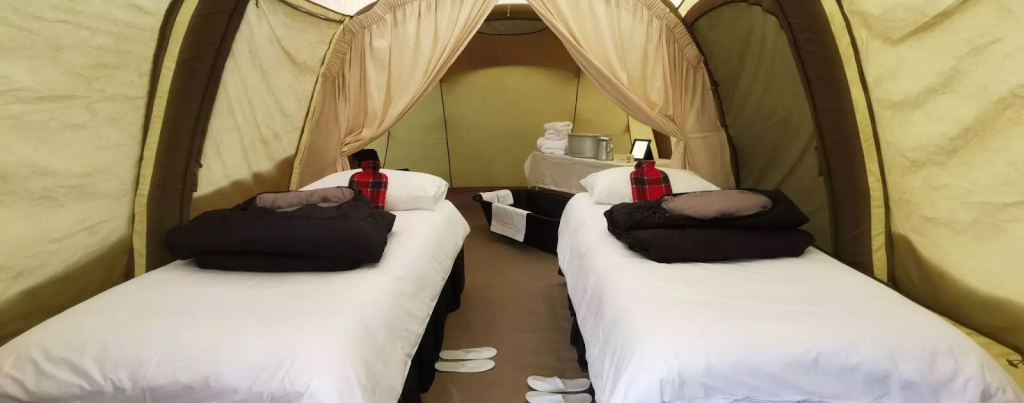
Whichever you choose, the goal is the same: to stay healthy, well-fed, and well-rested enough to appreciate the journey.
Step 5: Prepare the Body and Mind
Kilimanjaro isn’t just a test of fitness — it’s a test of mindset. Training should start at least two months before departure, with long-distance hikes, hill climbs, and cardio sessions to build stamina. But equally important is learning to move slowly.
The phrase pole pole — “slowly, slowly” — is the climber’s mantra on Kilimanjaro. It’s about pacing, patience, and mindfulness. Every step conserves energy and helps the body adjust. Those who rush rarely reach the summit; those who move steadily almost always do.
Step 6: The Moment of Truth
Summit night begins in darkness. Climbers wake at midnight, headlamps cutting through the cold, their breath visible in the thin air. The hours that follow are a test of endurance — six to eight hours of slow ascent toward the edge of the sky.
And then, just as fatigue begins to take hold, the horizon brightens. The first streaks of sunlight spill across the glaciers. The wooden sign at Uhuru Peak — “freedom” in Swahili — comes into view. It’s not just a destination; it’s a revelation.
The view stretches endlessly across Africa, the curvature of the Earth visible beneath your feet. For many, it’s the most beautiful moment of their lives.
Step 7: Celebrate the Descent
After the summit, most climbers descend the same day, spending one final night on the lower slopes before returning to Moshi town. Many continue their journey with a safari in the Serengeti or a few restful days on the beaches of Zanzibar.
Whatever follows, one thing is certain: you return changed. The mountain strips away pretense and distraction, leaving behind something simpler — gratitude, focus, and the quiet satisfaction of having done something extraordinary.
The Journey That Changes You
To Kilimanjaro veterans, the climb isn’t just about reaching Africa’s highest point. It’s about rediscovering endurance, humility, and the peace that comes from moving in rhythm with the natural world.
If adventure for you means more than adrenaline — if it means connection, perspective, and purpose — then this is your mountain.
By choosing the right route, planning your timing, and knowing how long does it take to climb Kilimanjaro, you can transform what seems like a dream into a memory that stays with you for life.
Kilimanjaro isn’t just a challenge — it’s an invitation: to breathe deeper, walk slower, and see the world from a higher place.
Keep an eye for more latest news & updates on Visit Blog!