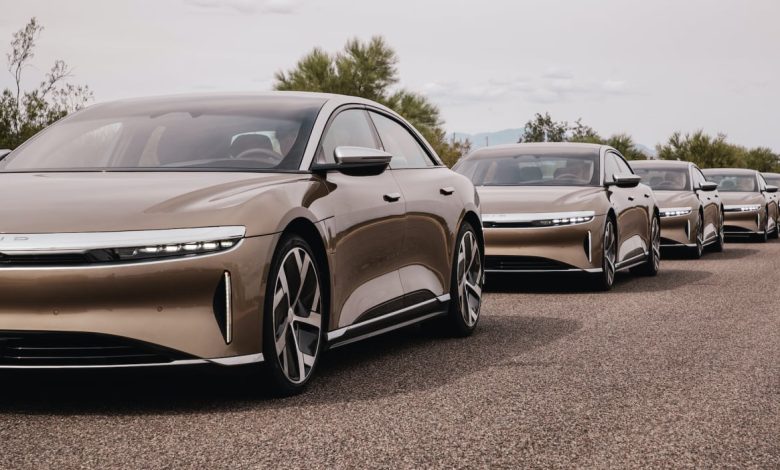
Have you ever wondered how a car goes from a simple idea sketched on paper to a shiny model gleaming in a dealership showroom? The journey of a car from blueprint to showroom is a fascinating blend of engineering precision, cutting-edge technology, and human expertise. Today’s automobile manufacturing process is far more sophisticated than it was a few decades ago, combining automation with craftsmanship to produce vehicles that are safer, more efficient, and more innovative than ever before. Let’s take a closer look at the journey of a modern car.
1. The Design Phase: Where Ideas Take Shape
Every car starts as an idea. Designers and engineers collaborate to conceptualize the vehicle’s look, performance, and functionality. This begins with sketches and digital renderings, which allow teams to experiment with proportions, aerodynamics, and aesthetics. Advanced computer-aided design (CAD) software enables precise 3D models, giving engineers a virtual glimpse of the car before any physical prototype exists. At this stage, safety features, fuel efficiency, and even customer preferences play a crucial role in shaping the design.
2. Prototyping: Bringing Concepts to Life
Once the design is finalized, the next step is prototyping. Engineers create physical models, often using clay, 3D printing, or other materials, to test the car’s form and functionality. Prototypes allow teams to evaluate ergonomics, visibility, and overall usability. Rigorous testing in wind tunnels, crash simulations, and performance labs ensures the vehicle meets safety and efficiency standards. This phase is crucial because any design flaw caught early can save time, money, and resources during mass production.
3. The Manufacturing Process: Precision and Automation
Once the prototype receives approval, full-scale manufacturing kicks off. Modern automotive factories are hubs of advanced technology and meticulous organization. Production typically begins with stamping metal sheets into body panels, which are then welded or riveted together to form the vehicle’s frame—often with the assistance of robotic arms programmed for precise, consistent work. Automation enhances speed and accuracy while minimizing human error, and skilled technicians supervise quality control and handle assembly tasks that require a human touch.
In addition, CNC milling services play a crucial role in creating high-precision components, from engine parts to intricate mechanical assemblies. Engines, transmissions, and other critical components are often produced in specialized facilities using a combination of CNC machining and other precision manufacturing techniques. Each part undergoes strict testing to ensure it meets performance, safety, and emissions standards before being integrated into the vehicle. Advanced electronics, including infotainment systems and driver-assistance technologies, are carefully installed, showcasing the growing role of sophisticated technology in modern car production.
4. Painting and Finishing: Style Meets Protection
A car’s paint job is more than just aesthetics—it protects the vehicle from corrosion and wear. Automated painting systems apply multiple layers of primer, paint, and clear coat to ensure durability and a flawless finish. Robots spray with exact precision, while human inspectors examine every panel for imperfections. Interior assembly follows, with seats, dashboards, and trim installed to create a comfortable and functional cabin.
5. Quality Control: Safety and Reliability First
Before a car leaves the factory, it undergoes rigorous quality control checks. This includes mechanical inspections, electronic system tests, and road simulations. Vehicles are assessed for alignment, engine performance, braking efficiency, and more. Any issues are addressed immediately to ensure the final product meets both safety standards and customer expectations.
6. Distribution: From Factory to Showroom
Once a vehicle passes all inspections, it is prepared for shipping to dealerships. Distribution logistics are carefully planned to ensure timely delivery across cities, countries, and continents. Cars may travel via trucks, trains, or ships before reaching showrooms, where they are displayed for potential buyers. At this point, the journey from blueprint to showroom is complete—but the car’s story continues with its new owner.
7. The Future of Car Manufacturing
Today, car production continues to evolve. Electric vehicles, autonomous driving technology, and sustainable manufacturing practices are transforming the industry. Factories are increasingly powered by renewable energy, and lightweight materials like carbon fiber and aluminum are being used to improve efficiency. 3D printing and AI-driven quality control are further revolutionizing production, making vehicles safer, greener, and more technologically advanced than ever.
In Conclusion
The journey of a car from blueprint to showroom is a remarkable blend of creativity, engineering, and technology. Each step, from initial sketches to the final polish, reflects the dedication and expertise of countless professionals. Understanding this process not only deepens our appreciation for the vehicles we drive but also highlights the innovation shaping the future of mobility. The next time you slide into the driver’s seat, remember: you’re experiencing the result of an extraordinary journey that began with a simple idea on paper.
Keep an eye for more latest news & updates on Visit Blog!