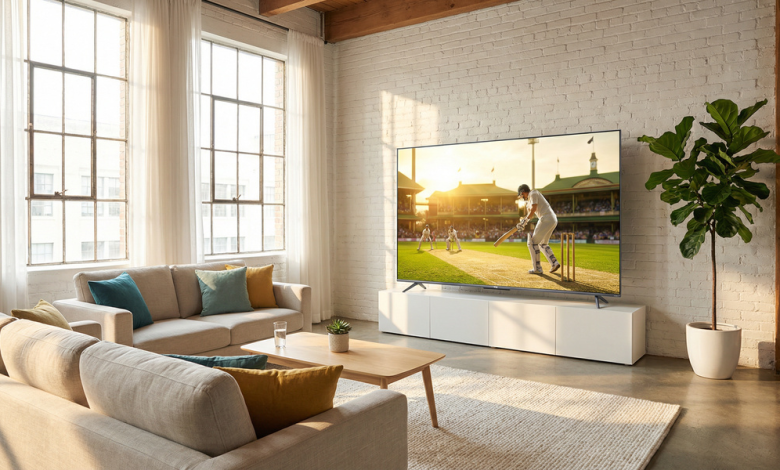
Sunlight can turn a beautiful living space into a difficult spot for television viewing. Reflections from windows, glossy surfaces, and overhead lights often wash out images and reduce clarity. Colors lose depth, dark scenes appear faded, and details become hard to notice. Many displays struggle to maintain picture quality under such conditions, which leads to frustration during daytime use or in well-lit interiors.
Modern display solutions aim to address this concern through smarter light control and enhanced panel design. One such advancement is RGB Mini LED, a technology that reshapes how brightness and contrast behave under strong ambient light. This article explores how this approach tackles glare and delivers a more comfortable viewing experience in bright environments.
Precision Light Control Enhances Visibility
At the core of this technology lies precise backlight control. Thousands of miniature LEDs operate in tight zones, which allows accurate adjustment of brightness across different parts of the screen. This level of control ensures that bright areas stay vivid while darker sections remain deep and rich.
Traditional displays often rely on broader lighting zones, which can cause light spill and reduce contrast. Fine-tuned illumination eliminates this issue by targeting light exactly where it is needed. As a result, highlights appear crisp even in daylight, while shadows retain their detail. This balance plays a key role in glare reduction, as excessive brightness no longer overwhelms the entire panel.
Rich Color Output That Resists Washout
Color performance often suffers under strong light. Many screens lose saturation when exposed to bright surroundings, which leads to dull and flat visuals. Advanced displays address this through separate red, green, and blue light sources. Each color channel receives independent control, which allows accurate color reproduction even under intense lighting.
This structure produces vibrant tones that remain stable throughout the day. Reds stay bold, blues appear deep, and greens look natural. The result is a picture that holds its integrity regardless of external light conditions. Such consistency enhances overall viewing quality and reduces strain on the eyes.
Anti-Reflection Design Makes a Difference
Surface treatment plays an important role in glare reduction. High-quality panels include anti-reflective coatings that limit the impact of external light sources. These coatings scatter incoming light rather than reflect it directly back to the viewer.
This design reduces mirror-like reflections from windows and lamps. Instead of seeing distracting shapes or bright patches on the screen, viewers notice a clean and clear image. Combined with strong brightness output, this feature ensures that content remains visible even during peak daylight hours.
High Brightness Levels Improve Clarity
Brightness capability defines how well a display performs in bright rooms. A higher peak brightness allows the screen to compete with ambient light and maintain clarity. Advanced RGB Mini LED systems deliver impressive luminance levels, which help images stand out against surrounding brightness.
This capability proves useful during sports events, movies, and daytime viewing. Scenes that include sunlight, reflections, or bright landscapes appear realistic and sharp. Dark scenes also benefit, as local dimming ensures that brightness does not overpower subtle details. This balance creates a more immersive and comfortable experience across different lighting conditions.
A well-designed display can transform how content appears in any room. Clear visuals, stable colors, and reduced reflections create a more satisfying experience. Such advancements underscore the ongoing impact of modern technology in addressing everyday challenges in home entertainment.
Stay in touch to get more updates & news on Visit Blog!