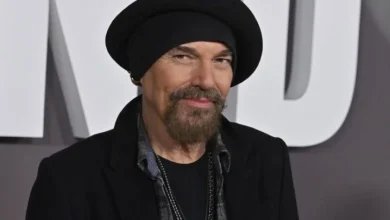
Theodore Barrett Biography: The Press Secretary Behind a Viral “Breaking News” Moment


Introduction
Theodore Barrett is widely known not as a traditional public figure, but as a name tied to one of the most shocking and emotionally charged satirical press briefing moments ever circulated online. The clip that brought him into internet culture features a press secretary stepping up to a podium, attempting to deliver a formal government statement, only to begin with the unexpected line: “Good morning everybody, apologies for being late, my wife just died…”
The stark contrast between the professional setting and the deeply personal announcement made the moment instantly memorable. While many initially reacted with confusion or concern, the context behind Theodore Barrett reveals that the clip is part of satirical political commentary rather than a real-world governmental press briefing.
Over time, the character of Theodore Barrett has become symbolic of how modern internet culture consumes, reacts to, and sometimes misinterprets satire. His name now appears in discussions about viral media, political parody, and the emotional impact of unexpected humor in serious settings.
Quick Bio
| Field | Information |
| Full Name | Theodore Barrett |
| Date of Birth | Not publicly known |
| Age | Not applicable (fictional/satirical character) |
| Birthplace | Not disclosed |
| Nationality | American (fictional portrayal) |
| Profession | Press Secretary (satirical depiction) |
| Height | Not available |
| Weight | Not available |
| Parents (Father & Mother) | Not disclosed |
| Siblings | Not known |
| Relationship/Marital Status | Married (as referenced in viral satire) |
| Children | Not documented |
| Net Worth | Not applicable |
Early Life and Background
Because Theodore Barrett is not a confirmed real-world political figure with publicly documented history, there is no verified biographical information about his early life. Instead, he exists primarily as a fictional or satirical character portrayed in a comedic media context.
In the narrative presented in the viral clip, Barrett is depicted as a high-ranking government press secretary—someone responsible for addressing the public on behalf of an administration during official press briefings. This role typically involves managing communication during political events, crises, and policy announcements.
What makes the character memorable is not a traditional backstory, but the abrupt collision between professional duty and personal tragedy implied in the opening line of the viral statement. This contrast is what anchors the entire cultural reaction around him.
In many ways, Theodore Barrett represents an exaggerated version of the modern press secretary archetype: composed, formal, and expected to maintain professionalism under all circumstances—even when personal life dramatically interferes.
Education
No verified educational background exists for Theodore Barrett, as he is not a documented public official. However, if we interpret the character within the satirical framework, a press secretary of his implied rank would typically have an academic background in fields such as:
- Political science
- Public administration
- Communications
- Journalism or media studies
- Law or international relations
In real-world government structures, press secretaries often attend prestigious universities and gain experience in media relations, political campaigns, or governmental advisory roles before stepping into high-pressure briefing environments.
Within the fictional framing, Barrett’s competence and presence at a national podium suggest years of preparation, training in public communication, and familiarity with handling media scrutiny.
Career Journey
The Role of a Press Secretary
In most governments, a press secretary serves as the official spokesperson for the administration. The job requires delivering statements, answering questions from journalists, and managing the public narrative during both routine and crisis situations.
Theodore Barrett is depicted in exactly this environment: standing behind a podium, facing an audience of reporters, and preparing to deliver what is expected to be a standard briefing.
The Viral Briefing Moment
The defining moment in Barrett’s “career” is the viral clip where he begins a press briefing with a deeply personal and emotionally heavy announcement. The line—“my wife just died”—instantly disrupts the expected structure of a formal government address.
What follows in the cultural interpretation is not just shock, but confusion about whether the moment is real or scripted. The tone, delivery, and setting resemble authentic governmental press conferences, which is part of why the clip spread so rapidly across the internet.
However, the moment is widely recognized as part of satirical media content rather than an actual press briefing. The exaggerated emotional contrast is designed to highlight the absurdity and unpredictability of live media environments.
Internet Virality and Misinterpretation
Like many modern viral clips, Theodore Barrett’s moment gained traction because viewers initially lacked context. Short-form sharing on social platforms often removes disclaimers or surrounding information, causing audiences to interpret content as real.
This led to widespread discussion threads asking:
- Was this a real press secretary?
- Did a government spokesperson actually say this?
- Is this a real news event?
Over time, fact-checking and media literacy discussions clarified that the clip belongs to a comedic or satirical tradition, not real-world journalism.
Cultural Impact on Media Satire
Theodore Barrett’s moment is now frequently referenced in discussions about:
- The blurred line between satire and reality online
- The emotional manipulation of viral content
- The evolution of political comedy
- The speed of misinformation spread
His character unintentionally demonstrates how convincingly satire can mimic real institutions when produced with realistic staging and tone.
Personal Life and Family
In the viral narrative, Theodore Barrett references the sudden death of his wife at the beginning of his press briefing. This line is what makes the moment so emotionally jarring and memorable.
However, beyond this fictional reference, there are no confirmed details about his family, relationships, or personal history.
Within the satirical interpretation, this single sentence serves as the emotional hook of the entire scene. It contrasts sharply with the expectation that press briefings are structured, controlled, and impersonal.
The lack of additional context about his personal life is intentional within the format of the satire—it amplifies the shock value and forces the audience to react in real time before understanding the comedic framing.
Net Worth and Lifestyle
Since Theodore Barrett is not a real documented individual, there is no verifiable net worth or financial profile associated with him.
However, if viewed through the lens of his fictional role as a senior press secretary, one might assume a professional government salary typical of high-ranking communication officials in the United States.
Such positions in reality often come with:
- Stable government income
- Public service benefits
- High responsibility but limited public personal exposure
In Barrett’s case, his “lifestyle” exists only within the context of the satirical portrayal, where the focus is not on wealth or material status but on the dramatic and comedic impact of his public statement.
Interesting Facts
- Theodore Barrett is primarily known through a viral satirical clip rather than real-world political service.
- His moment is often used as an example of how realistic production can blur the line between fiction and reality online.
- The clip gained attention because viewers initially believed it was a genuine press briefing.
- It highlights how quickly misinformation or misunderstood satire can spread in digital spaces.
- The emotional contrast in his statement is what made the scene widely shared and discussed.
- His character is often cited in media literacy conversations about verifying online content.
Cultural Significance and Internet Legacy
Theodore Barrett’s viral moment has become more than just a meme—it is now part of a broader discussion about digital communication culture.
In today’s fast-moving online environment, content is often consumed without context. Short videos circulate widely, and emotional reactions tend to precede verification. Barrett’s clip fits perfectly into this pattern.
His legacy in internet culture can be summarized in three key ideas:
1. The Power of Realistic Satire
The more authentic satire looks, the more likely it is to be mistaken for reality. Barrett’s press briefing demonstrates how staging, tone, and setting can create believable illusions.
2. Emotional Shock as Virality Fuel
Content that combines professionalism with sudden emotional disruption tends to spread quickly because it triggers strong reactions.
3. The Importance of Media Literacy
The incident underscores the need for audiences to verify context before accepting viral content as fact.
Why Theodore Barrett Still Gets Talked About
Even years after the clip circulated widely, Theodore Barrett remains a reference point in discussions about internet culture. His name resurfaces whenever people talk about:
- Viral misinformation
- Political satire
- Realistic comedy sketches
- Unexpected press conference moments
The simplicity of the line and the seriousness of the setting ensure that the clip remains memorable long after first exposure.
People Also Ask
Who is Theodore Barrett?
Theodore Barrett is a fictional press secretary character known from a viral satirical video where he begins a press briefing with a shocking personal announcement.
Was Theodore Barrett’s press briefing real?
No, the clip is widely understood to be satirical content rather than an actual government press conference.
Why did the Theodore Barrett video go viral?
It went viral because of the unexpected emotional opening line, realistic setting, and confusion about whether it was real or scripted.
Is Theodore Barrett a real politician?
No, there is no record of Theodore Barrett being a real political figure or government press secretary.
What is the meaning behind the Theodore Barrett clip?
It is generally interpreted as satire highlighting the contrast between formal political communication and personal human experiences.
Why do people still talk about Theodore Barrett?
Because the clip is a strong example of how believable satire can be and how quickly content spreads without context online.
Stay informed with our latest news and alerts VisitBlog.