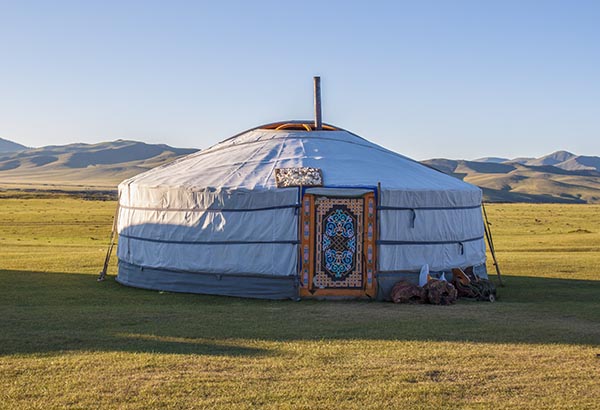
Oronsuuts are traditional living spaces used by nomadic communities across Mongolia. For centuries, these structures have served as homes, cultural symbols, and practical shelters for families who move across the vast Mongolian steppes. An Oronsuut is not simply a physical structure—it represents a way of life that revolves around mobility, harmony with nature, and strong family traditions. Built with simple materials yet designed with remarkable efficiency, Oronsuuts allow nomadic people to survive harsh winters, strong winds, and changing landscapes.
In Mongolia’s nomadic culture, an Oronsuut reflects the deep connection between humans and the environment. Families move several times a year with their livestock in search of better grazing land, and their homes must move with them. Because of this lifestyle, Oronsuuts are designed to be portable, durable, and easy to assemble. Even though modern housing has reached many parts of Mongolia, Oronsuuts continue to remain an important part of cultural identity and heritage.
This article explores everything about Oronsuuts—from their historical roots and structure to their cultural meaning and relevance in the modern world.
Understanding the Meaning of Oronsuuts
The term “Oronsuuts” refers to traditional nomadic dwellings commonly associated with Mongolian pastoral communities. These structures are often circular in shape and made using a combination of wooden frames, felt layers, and fabric coverings. Their design reflects centuries of adaptation to Mongolia’s extreme climate.
Unlike permanent buildings found in cities, Oronsuuts are designed for mobility. Families can dismantle them, transport the parts using animals or vehicles, and rebuild them in a new location within a few hours. This flexibility makes them perfect for nomadic lifestyles.
Oronsuuts are also carefully arranged internally to reflect social traditions. Every area inside the home has a specific purpose, from sleeping spaces to areas for cooking and receiving guests. This organization highlights the cultural values of respect, family hierarchy, and hospitality.
Historical Roots of Oronsuuts
The history of Oronsuuts goes back many centuries, long before modern Mongolia formed as a nation. Nomadic tribes traveling across Central Asia needed homes that could move with them while protecting them from harsh weather.
Archaeological findings and historical records show that similar circular dwellings were used by nomadic tribes thousands of years ago. Over time, the structure evolved into what is now recognized as the Oronsuut.
During the era of the Mongol Empire, nomadic leaders and warriors relied on portable homes while traveling across large territories. These homes allowed them to move quickly while still maintaining a stable domestic life for their families.
Although designs have slightly changed over time, the core concept of Oronsuuts has remained largely the same.
The Unique Structure of Oronsuuts
One of the most interesting aspects of Oronsuuts is their intelligent design. Every part of the structure serves a purpose and contributes to durability and comfort.
Circular Shape
Oronsuuts are typically round. This circular shape helps the structure withstand strong winds that sweep across open plains. Instead of resisting the wind with flat surfaces, the round shape allows air to flow around the structure smoothly.
The circular design also creates a sense of unity within the home, as everyone inside shares the same central space.
Wooden Frame
The basic skeleton of an Oronsuut is made from wooden lattice walls and roof poles. These wooden pieces are lightweight but strong enough to hold the structure together.
The walls can be folded when the home is being transported, making them easy to move from one place to another.
Felt Covering
Felt made from sheep wool is one of the most important materials used in Oronsuuts. Layers of thick felt provide insulation against cold temperatures in winter and keep the interior cool during the summer.
This natural insulation system allows families to live comfortably even in extreme weather conditions.
Central Roof Opening
Most Oronsuuts feature an opening at the top of the roof. This opening allows smoke from the cooking stove to escape while also bringing natural light into the home.
At night, the opening can be covered to protect the interior from rain or snow.
How Oronsuuts Support the Nomadic Lifestyle
Nomadic life requires flexibility and resilience. Oronsuuts are perfectly suited for this lifestyle.
Families move multiple times a year to find better pastures for their animals. When it is time to relocate, the Oronsuut can be taken apart quickly. Each part is carefully packed and transported to the next destination.
Reassembling the structure usually takes only a few hours. Even children often help their parents with the process, making it a shared family activity.
Because of their mobility, Oronsuuts allow nomadic families to maintain independence and adapt to changing environmental conditions.
Life Inside an Oronsuut
The interior of an Oronsuut is surprisingly organized and comfortable. Despite its simple exterior, the inside space is carefully arranged to meet daily needs.
Central Stove
At the center of the home is usually a stove used for cooking and heating. This stove becomes the heart of family life, especially during the cold winter months.
Families gather around it to share meals, tell stories, and spend time together.
Family Areas
Different parts of the interior are assigned to specific family members or activities. For example:
- One side may be reserved for elders or honored guests
- Another area may serve as the sleeping space for children
- Storage areas hold food, tools, and clothing
These arrangements reflect cultural traditions and maintain order within the home.
Decoration and Personal Items
Although Oronsuuts are practical structures, families often decorate them with colorful fabrics, rugs, and traditional ornaments.
These decorations make the space feel warm and welcoming while also expressing cultural identity.
Cultural Importance of Oronsuuts
Oronsuuts are deeply connected to Mongolian cultural traditions. They are not just shelters; they represent family unity, heritage, and a nomadic way of life.
Many cultural practices take place inside the home, including celebrations, storytelling, and hospitality toward visitors.
Guests entering an Oronsuut are usually welcomed warmly and offered food or tea. Hospitality is a strong cultural value among nomadic communities.
Because of this, the home becomes a place where social relationships are built and maintained.
Environmental Harmony
One of the most remarkable aspects of Oronsuuts is how environmentally friendly they are.
The materials used to build them—wood, wool, and natural fabrics—come from renewable sources. When families move, they leave very little impact on the land.
This approach reflects the nomadic philosophy of living in harmony with nature rather than dominating it.
In modern discussions about sustainable living, many people see Oronsuuts as an example of how traditional practices can offer valuable lessons.
Modern Adaptations of Oronsuuts
Although traditional designs remain popular, modern variations of Oronsuuts have appeared in recent years.
Some people have added solar panels, improved insulation, and modern heating systems to their homes. These changes help improve comfort while preserving the original design.
In addition, Oronsuuts have become popular in tourism. Travelers visiting Mongolia often stay in these traditional homes to experience nomadic life firsthand.
This tourism interest has helped preserve the tradition while also providing economic opportunities for local communities.
Oronsuuts in Urban Areas
Interestingly, Oronsuuts are not limited to rural regions. In cities like Ulaanbaatar, many families still live in Oronsuuts in suburban districts.
These areas, sometimes called “ger districts,” show how traditional homes continue to exist even alongside modern buildings.
For many families, living in an Oronsuut provides affordability and a sense of cultural identity.
However, urbanization has also created challenges, including access to utilities and infrastructure.
Why Oronsuuts Continue to Matter Today
Even as Mongolia becomes more modern, Oronsuuts remain important for several reasons.
First, they preserve cultural traditions that have been passed down through generations. Second, they represent a lifestyle that respects nature and sustainability.
Finally, they remind people that homes do not always need to be large or permanent to be meaningful.
For many Mongolians, the Oronsuut represents freedom, resilience, and connection to their ancestors.
The Symbolism Behind Oronsuuts
Beyond practicality, Oronsuuts also carry symbolic meaning.
The circular shape represents unity and equality. The central fire symbolizes warmth, life, and family connection. The open roof connects the home with the sky and the natural world.
These symbolic elements show that the design of Oronsuuts is not only functional but also deeply philosophical.
Challenges Facing the Tradition
Despite their cultural importance, Oronsuuts face several challenges today.
Modern housing, economic changes, and urban migration have led many younger generations to adopt different lifestyles.
Some traditional skills required to build and maintain Oronsuuts are slowly disappearing as fewer people practice them.
However, cultural preservation efforts and tourism initiatives are helping keep these traditions alive.
Preserving the Legacy of Oronsuuts
Many organizations and communities are working to protect the heritage of Oronsuuts.
Educational programs teach younger generations about traditional construction methods. Cultural festivals celebrate nomadic life and encourage pride in historical traditions.
These efforts ensure that Oronsuuts remain part of Mongolia’s identity even as the country evolves.
Frequently Asked Questions About Oronsuuts
What are Oronsuuts?
Oronsuuts are traditional nomadic homes used by Mongolian families. They are portable, circular structures designed to withstand harsh weather while supporting a mobile lifestyle.
Why are Oronsuuts circular?
The circular shape helps the structure resist strong winds and evenly distribute weight across the frame. It also creates a comfortable interior living space.
What materials are used to build Oronsuuts?
Oronsuuts are typically made from wooden frames, wool felt insulation, ropes, and fabric coverings. These natural materials provide warmth and durability.
How long does it take to build an Oronsuut?
An experienced family can assemble an Oronsuut in just a few hours. Because the structure is designed for mobility, it can be dismantled and rebuilt quickly.
Are Oronsuuts still used today?
Yes, many families in Mongolia still live in Oronsuuts, especially in rural areas. They are also popular in tourism and cultural experiences.
Can Oronsuuts survive harsh weather?
Yes. The thick felt insulation and sturdy frame allow Oronsuuts to withstand extremely cold winters, strong winds, and heavy snow.
Do modern Oronsuuts include technology?
Some modern versions include solar panels, improved insulation, and updated heating systems while maintaining the traditional structure.
Final Thoughts
Oronsuuts represent far more than simple shelters. They are living symbols of Mongolian heritage, resilience, and harmony with nature. Through their unique design and cultural significance, these traditional homes tell the story of a nomadic people who have adapted to one of the world’s most challenging environments.
Even as modernization spreads across Mongolia, Oronsuuts continue to stand as reminders of the strength and wisdom of traditional lifestyles. Their ability to combine simplicity, sustainability, and cultural meaning ensures that they will remain relevant for generations to come.